What Is the Most Reliable Used Semi-Truck to Buy?
Choosing a used semi-truck is about more than finding the lowest price. For owner-operators and small trucking companies, reliability can have a direct impact on maintenance costs, downtime, and overall profitability.
So, what is the most reliable used semi-truck to buy?
There is no single truck that is perfect for every driver. However, several models have built strong reputations for durability, serviceability, and long-term use. Trucks such as the Freightliner Cascadia, Kenworth T680, Peterbilt 579, and Volvo VNL are commonly considered strong choices in the used semi-truck market.
> Quick Answer: The most reliable used semi-truck is usually a well-maintained truck with a strong service history rather than simply the newest or lowest-mileage truck. A properly maintained Freightliner Cascadia, Kenworth T680, Peterbilt 579, or Volvo VNL can be a strong option depending on your budget and operating needs.
What Makes a Used Semi-Truck Reliable?
Before comparing specific models, it is important to understand what reliability actually means.
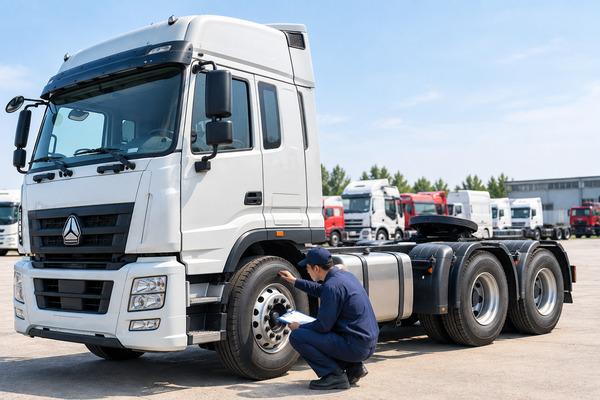
A reliable semi-truck should be able to complete regular trips without frequent breakdowns or unexpected repairs. It should also have reasonable parts availability and a service network that can support the truck when maintenance is needed.
Several factors affect reliability.
Maintenance History
Maintenance history is one of the most important factors when buying a used semi-truck.
A truck with complete service records can be a better purchase than a lower-mileage truck with an unknown history.
Look for records showing:
- Regular oil and filter changes
- Preventive maintenance
- Cooling system service
- Transmission service
- Emissions-system maintenance
- Major component repairs
- Tire replacement
- Brake service
Engine Condition
The engine is one of the most expensive components to repair or replace.
Mileage matters, but it should not be considered by itself. An engine that has been properly maintained can continue operating reliably for many miles.
Buyers should also check for:
- Oil leaks
- Coolant leaks
- Excessive smoke
- Unusual engine noises
- Hard starting
- Warning lights
- Low power
- Previous engine repairs
Transmission Condition
A reliable engine cannot compensate for a transmission that is already experiencing problems.
During a test drive, check for smooth shifting, unusual noises, slipping, delayed engagement, and warning lights.
Emissions System
Modern diesel trucks use emissions-control systems that can be expensive to repair.
Depending on the truck, components such as the DPF, EGR, and SCR systems should be inspected carefully.
Most Reliable Used Semi-Truck Models
Several major manufacturers offer used trucks that can provide good long-term value.
The right choice depends on the truck's age, engine configuration, maintenance history, and intended use.
1. Freightliner Cascadia
The Freightliner Cascadia is one of the most common Class 8 trucks on North American roads.
Its popularity is one of its biggest advantages for used-truck buyers. Because many Cascadias have been sold and operated commercially, parts, technicians, and service locations are widely available.
The Cascadia has also been offered with several engine and transmission combinations over the years.
Why Consider a Used Cascadia?
- Large service network
- Strong parts availability
- Many trucks available on the used market
- Familiar platform for many technicians
- Multiple engine configurations
- Suitable for long-haul operations
A well-maintained Cascadia can be a practical choice for buyers who want a truck that is relatively easy to service.
2. Kenworth T680
The Kenworth T680 is another popular choice for long-haul trucking.
It is known for its driver-oriented design, aerodynamic body, and availability with different powertrain configurations.
A used T680 can be attractive to owner-operators who want a combination of comfort, fuel efficiency, and durability.
Why Consider a Used T680?
- Strong reputation in long-haul applications
- Comfortable cab and sleeper options
- Good aerodynamic design
- Wide availability in the used market
- Strong dealer and service support
However, buyers should pay close attention to the specific engine and maintenance history rather than purchasing based on the model name alone.
3. Peterbilt 579
The Peterbilt 579 is widely used in long-haul applications and is another model worth considering when shopping for a used semi-truck.
The 579 combines a modern cab design with multiple powertrain options and is available in a wide range of used configurations.
Why Consider a Used 579?
- Comfortable interior
- Good long-haul design
- Strong aftermarket and service support
- Multiple configurations available
- Popular among owner-operators
As with any used truck, condition and service history should be considered more important than the badge on the hood.
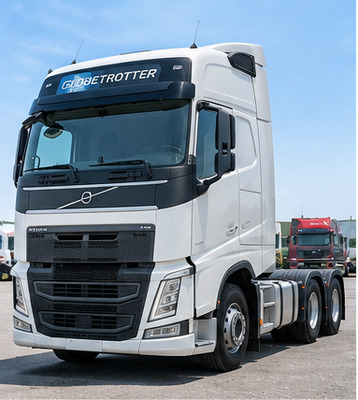
4. Volvo VNL
The Volvo VNL is another major Class 8 truck that can be a good used purchase when properly maintained.
Volvo has focused heavily on driver comfort, aerodynamics, and long-haul efficiency.
A used VNL may be particularly attractive to drivers who spend long periods on the road and want a comfortable sleeper and cab environment.
Why Consider a Used VNL?
- Comfortable cab and sleeper
- Strong long-haul design
- Good aerodynamic performance
- Wide range of used configurations
- Established service network
Used Semi-Truck Reliability Comparison
The following comparison can help narrow down your options.
| Truck Model | Main Strength | Best For | Important Consideration |
|---|---|---|---|
| Freightliner Cascadia | Parts and service availability | Long-haul and fleet use | Check powertrain history |
| Kenworth T680 | Comfort and efficiency | Long-haul owner-operators | Verify engine and maintenance records |
| Peterbilt 579 | Comfort and versatility | Owner-operators and long haul | Inspect emissions and drivetrain |
| Volvo VNL | Comfort and aerodynamics | Long-haul operations | Check service history carefully |
> Important: Model reputation alone does not determine reliability. A poorly maintained truck from a highly respected brand can be a much worse purchase than a properly maintained truck from another manufacturer.
Which Engine Is Best in a Used Semi-Truck?
The engine is one of the most important parts of the buying decision.
Different truck models have been offered with different engines, and the same truck model can have very different reliability and operating characteristics depending on its powertrain.
Common engines found in used Class 8 trucks include:
- Detroit DD13
- Detroit DD15
- Cummins X15
- PACCAR MX-13
- Volvo D13
Detroit DD15
The Detroit DD15 is widely used in Freightliner and other Daimler trucks.
It is commonly found in Cascadia models and is designed for heavy-duty highway applications.
When considering a used DD15-powered truck, review the maintenance records and inspect the engine carefully rather than relying only on mileage.
Cummins X15
The Cummins X15 is another common heavy-duty diesel engine.
One advantage for buyers is the broad presence of Cummins engines across the trucking industry, which can make service and parts support easier to find in many areas.
A used truck with an X15 can be worth considering when the engine has been properly maintained.
PACCAR MX-13
The PACCAR MX-13 is commonly found in Kenworth and Peterbilt trucks.
It is designed for highway applications and is available in many used T680 and 579 trucks.
Buyers should review the truck's complete maintenance history and pay attention to emissions-system condition.
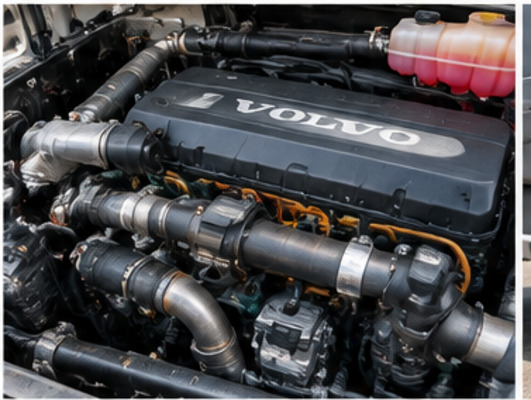
Volvo D13
The Volvo D13 is commonly found in Volvo VNL trucks.
It is designed for heavy-duty highway use and is closely integrated with Volvo's truck platform.
A used VNL with a well-maintained D13 can be a strong option for long-haul applications.
Is Mileage More Important Than Maintenance History?
Not necessarily.
Mileage is important, but maintenance history can be even more valuable when evaluating a used semi-truck.
For example, a higher-mileage truck with documented preventive maintenance may be a better purchase than a lower-mileage truck that has been poorly maintained.
When comparing two trucks, consider:
- Total mileage
- Engine hours
- Idle hours
- Maintenance records
- Previous repairs
- Accident history
- Operating environment
- Number of previous owners
- Major component replacements
> Tip: Do not reject a used semi-truck simply because it has higher mileage. First determine how the truck was operated and maintained.
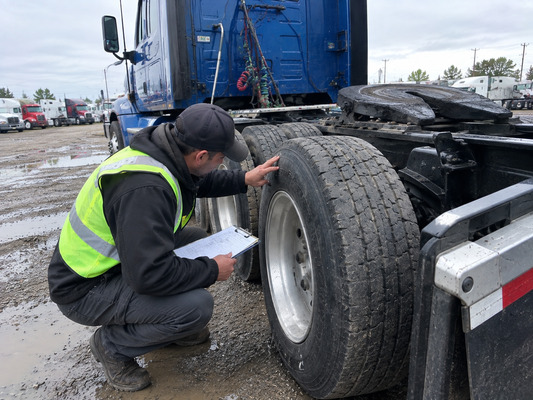
What Should You Inspect Before Buying?
A reliable truck should pass a thorough inspection before you purchase it.
Engine Inspection
Check for:
- Oil leaks
- Coolant leaks
- Excessive smoke
- Abnormal noises
- Hard starting
- Warning lights
- Signs of overheating
- Evidence of previous major repairs
Transmission Inspection
Check for:
- Hard shifting
- Delayed shifting
- Slipping
- Grinding
- Unusual noises
- Warning lights
Emissions System
Inspect the condition of:
- DPF
- EGR system
- SCR system
- DEF system
- Related sensors and components
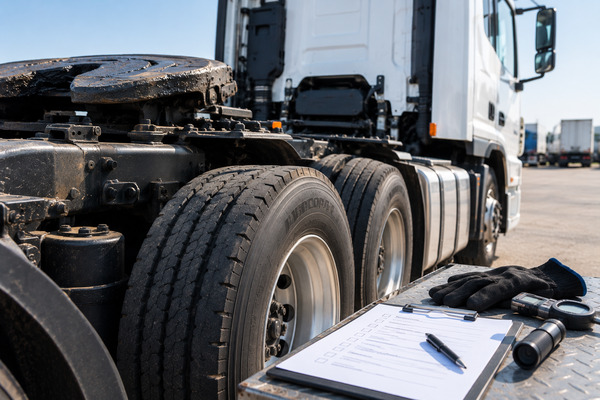
Chassis and Suspension
Inspect:
- Frame
- Suspension
- Steering components
- Axles
- Fifth wheel
- Brake components
- Air lines
Tires
Look for:
- Uneven wear
- Low tread
- Sidewall damage
- Mismatched tires
- Signs of alignment problems
Used Semi-Truck Inspection Checklist
Before buying, use a systematic inspection process.
Engine and Powertrain
- ☐ Check the engine for leaks
- ☐ Check coolant condition
- ☐ Look for excessive smoke
- ☐ Listen for unusual engine noises
- ☐ Check engine warning lights
- ☐ Test the transmission
- ☐ Check for abnormal drivetrain noises
Emissions System
- ☐ Inspect the DPF system
- ☐ Check the EGR system
- ☐ Check the SCR system
- ☐ Inspect the DEF system
- ☐ Review emissions-related repair records
Chassis
- ☐ Inspect the frame
- ☐ Check suspension components
- ☐ Inspect steering components
- ☐ Check brakes
- ☐ Inspect the fifth wheel
- ☐ Check air lines for leaks
Exterior and Interior
- ☐ Inspect body panels
- ☐ Check lights
- ☐ Inspect mirrors
- ☐ Check windshield and glass
- ☐ Test HVAC
- ☐ Check dashboard controls
- ☐ Inspect sleeper area
Records
- ☐ Review maintenance records
- ☐ Check repair history
- ☐ Verify mileage
- ☐ Review ownership history
- ☐ Check accident history
- ☐ Ask about previous major repairs
What Used Semi-Trucks Should You Avoid?
Even a popular truck model can be a bad purchase if its condition is poor.
Be cautious when you find a truck with:
- No maintenance records
- Serious engine problems
- Transmission issues
- Repeated emissions-system failures
- Significant frame damage
- Severe rust or corrosion
- Extensive accident damage
- Excessive idle hours
- Multiple unresolved warning lights
- Evidence of neglected maintenance
A very low asking price can sometimes indicate that expensive repairs are needed.
> Warning: Do not let a low purchase price pressure you into buying a truck before completing an independent inspection.
How Much Should You Spend on a Reliable Used Semi-Truck?
There is no single price that makes a truck reliable.
The right budget depends on:
- Truck age
- Mileage
- Engine
- Transmission
- Maintenance history
- Condition
- Specifications
- Market demand
- Expected repair costs
Instead of setting a budget based only on the purchase price, consider your total available ownership budget.
| Cost | What to Consider |
|---|---|
| Truck purchase | Initial purchase price |
| Financing | Interest and monthly payments |
| Insurance | Commercial insurance |
| Maintenance | Preventive service |
| Repairs | Unexpected mechanical work |
| Tires | Replacement costs |
| Fuel | Expected fuel consumption |
| Downtime | Lost revenue during repairs |
A truck that costs slightly more but has a strong service history may provide better value than a cheaper truck with unknown problems.
Newer Does Not Always Mean More Reliable
Many buyers assume that the newest used truck is automatically the most reliable.
That is not always the case.
Newer trucks may have more advanced technology and improved efficiency, but they can also have more complex emissions and electronic systems.
An older truck that has been maintained carefully may provide dependable service if its major components remain in good condition.
The key is to evaluate the individual truck.
How to Choose the Most Reliable Used Semi-Truck
Instead of asking only which brand is most reliable, ask these questions:
1. Does the truck have a documented maintenance history?
If the seller can provide detailed records, you have more information to evaluate the truck.
2. Has the truck been professionally inspected?
An independent inspection can identify problems that may not be visible during a short test drive.
3. Does the powertrain match your operation?
A truck used for long-haul highway work may have different requirements from a truck used for regional or heavy-duty applications.
4. Are parts and service easy to find?
A truck with strong dealer and aftermarket support can be easier to maintain.
5. Can you afford unexpected repairs?
Even a reliable used semi-truck can require repairs.
Keeping an emergency repair fund can help protect your business from unexpected downtime.
Best Used Semi-Truck for Different Buyers
Different buyers may prefer different models.
| Buyer Type | Truck to Consider | Why |
|---|---|---|
| New owner-operator | Freightliner Cascadia | Large used-market supply and service availability |
| Long-haul owner-operator | Kenworth T680 | Comfort and highway-focused design |
| Driver-focused buyer | Peterbilt 579 | Comfortable cab and sleeper options |
| Long-haul comfort | Volvo VNL | Comfortable cab and aerodynamic design |
| Fleet operator | Freightliner Cascadia | Large service network and parts availability |
These are starting points rather than guarantees. The specific truck's condition and maintenance history should always be evaluated before purchase.
What Is the Most Reliable Used Semi-Truck to Buy?
There is no single answer for every buyer.
A Freightliner Cascadia can be an excellent choice for someone who values parts availability, service coverage, and a large selection of used trucks.
A Kenworth T680 may be attractive to an owner-operator who prioritizes comfort and long-haul operation.
A Peterbilt 579 can be a strong option for buyers looking for a comfortable and versatile highway truck.
A Volvo VNL may appeal to drivers who prioritize cab comfort, aerodynamics, and long-haul usability.
But the most important factor is still the individual truck.
A well-maintained used semi-truck with documented service records, a healthy powertrain, and a clean inspection can be more reliable than a newer truck that has been neglected.
Final Used Semi-Truck Buying Checklist
Before making your final decision, make sure you have checked the following:
- ☐ Set a realistic total budget
- ☐ Compare several truck models
- ☐ Review maintenance records
- ☐ Verify mileage and engine hours
- ☐ Check accident history
- ☐ Inspect the engine
- ☐ Inspect the transmission
- ☐ Check the emissions system
- ☐ Inspect the frame
- ☐ Check suspension and steering
- ☐ Inspect tires and brakes
- ☐ Test electrical systems
- ☐ Take the truck for a proper test drive
- ☐ Have an independent mechanic inspect it
- ☐ Estimate potential repair costs
- ☐ Confirm parts and service availability
- ☐ Consider expected downtime
- ☐ Compare total ownership costs
- ☐ Review the purchase agreement before signing
Final Takeaway
The most reliable used semi-truck is not necessarily the truck with the lowest mileage or the highest price.
Reliability comes from the combination of a proven truck platform, a suitable engine and transmission, proper maintenance, good operating history, and careful inspection.
Freightliner Cascadia, Kenworth T680, Peterbilt 579, and Volvo VNL are all worth considering when shopping for a used semi-truck.
However, before buying any of them, focus on the individual truck in front of you.
Review the records, inspect the powertrain, check the emissions system, evaluate the frame and suspension, and have an independent mechanic look at the truck.
> The best used semi-truck is the one that fits your operation, has a documented maintenance history, passes a professional inspection, and offers a reasonable total cost of ownership.
Choosing carefully can help reduce unexpected repairs, minimize downtime, and give your trucking business a better chance of getting long-term value from a used semi-truck.