Heavy-duty truck downtime is one of the most expensive problems a fleet owner or procurement manager can face — but most buyers approach it as a maintenance problem when it is actually a procurement problem. If your trucks are sitting idle waiting for parts, the decision that caused that delay was made weeks or months before the breakdown occurred.
Reducing vehicle downtime in heavy-duty truck operations starts before the truck leaves the yard. The single most effective step a buyer can take is to evaluate spare parts availability in their operating region at the time of purchase — not after the first breakdown. Matching the truck brand and model to a reliable local or regional parts supply chain is what separates a productive fleet from a stranded one.
Most buyers understand this in principle. In practice, the purchase price and the truck's visible condition dominate the buying decision. The parts supply chain question gets deferred — sometimes indefinitely. What follows is a look at the specific procurement decisions that build downtime into the deal before the engine ever turns over in-country.
Does Truck Selection Cause Vehicle Downtime Before Delivery?
The breakdown has not happened yet. The truck looks good. So why is downtime already accumulating? Because in most heavy-duty truck markets, the parts ecosystem around a vehicle is as important as the vehicle itself — and buyers rarely evaluate both at the same time.
Yes — the truck selection decision directly determines future downtime exposure. A buyer who chooses a truck model without confirming regional availability of its high-wear components has already accepted an extended shutdown risk. The truck's mechanical condition at delivery is relevant, but secondary to whether its consumable parts can reach the operating site within days.
This is something we hear repeatedly in customer consultations. A fleet owner in West Africa or Southeast Asia calls us about a breakdown, and when we trace back the original purchase, the pattern is consistent: the buyer chose the brand based on reputation or a good unit price, without mapping that brand to what is actually available on local shelves.
The Brand Reputation Trap
European truck brands — Scania, Volvo, MAN, Mercedes-Benz — are respected for engineering quality. That reputation is earned.[1] But brand engineering quality and regional parts availability are two different variables, and buyers in emerging markets often treat them as the same.
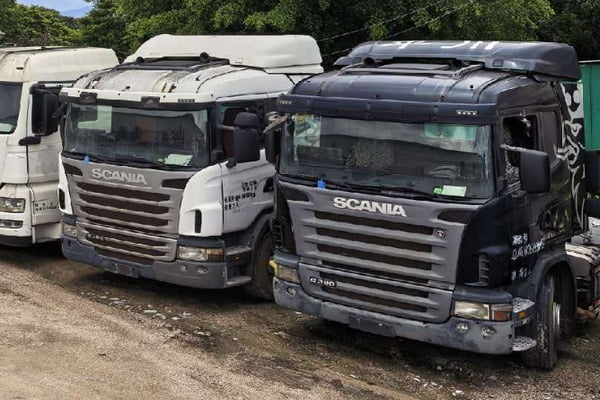
In well-supplied markets like Western Europe or developed parts of East Asia, a genuine Scania or Volvo filter or injector is often a phone call away. In many African corridors, Central Asian routes, or island Southeast Asian markets, that same part may take three to six weeks to source through import channels[2] — if the correct part number can even be confirmed locally.
This does not make European trucks a bad choice. It means the buyer needs to do a specific regional evaluation before selecting the brand, not after.
Questions buyers should ask before brand selection:
- Are genuine parts for this specific model stocked by local dealers or regional importers in my operating country?
- Are there established substitutes or compatible aftermarket parts available for the high-wear components?
- How many other operators in my region run this brand — and are they able to source parts without importing them?
- Does the supplier I am buying from maintain an ongoing parts supply relationship for this model?
These are not engineering questions. They are sourcing questions, and they belong in the procurement evaluation stage.
Chinese Truck Brands in Emerging Markets
HOWO, SHACMAN, FAW, Dongfeng, and SITRAK have expanded substantially across Africa, the Middle East, and Southeast Asia over the past decade[3]. One practical advantage these brands offer in those regions is that Chinese truck parts — including engines by Weichai, Yuchai, or Cummins configurations used in Chinese trucks — are often stocked by local distributors or can be sourced quickly through established import channels[4].
This does not mean Chinese trucks outperform European trucks in all conditions. It means that for a buyer operating in a region with limited European parts access, the procurement calculus shifts toward whichever brand gives them the shortest breakdown-to-repair cycle — and in many markets, that is currently a Chinese brand.
The right answer depends on the buyer's route, country, existing fleet relationships, and local market. Any supplier who gives you a universal answer without understanding your operating region is oversimplifying.
Is Spare Parts Planning Part of Vehicle Downtime Prevention?
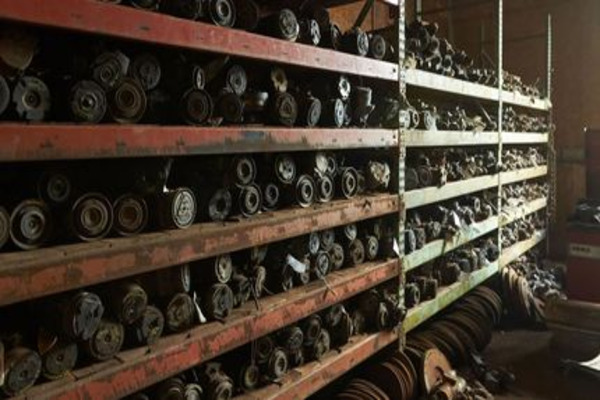
Most operators know they should keep spare parts on hand. In practice, many acquire vehicles without purchasing a core set of fast-wear consumables at the same time. This is one of the most consistent procurement failure patterns we observe across our customer base.
Yes — spare parts planning is a direct vehicle downtime prevention tool. Buyers who source a baseline inventory of consumable and fast-wear components at the time of truck purchase can typically restart a broken-down vehicle within hours or days. Buyers who start procurement from scratch after a breakdown face extended downtime compounded by urgency pricing and supply uncertainty.
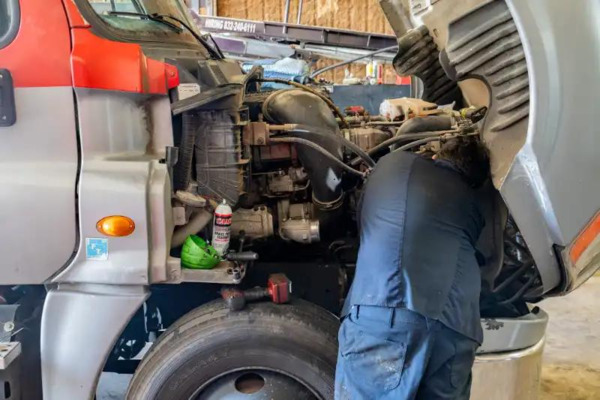
The underlying logic is straightforward. Certain components fail on a relatively predictable timeline — not on a specific date, but within a predictable range of operating hours or mileage. When a buyer acquires a used truck with 200,000–300,000 km already on it, several of those components are statistically close to their service life[5]. If the buyer does not hold spares for them, the first failure becomes a procurement emergency.
The Consumables That Matter Most
Based on what customers report to us after breakdowns, the parts that cause the longest delays are not the most expensive components. They are the mid-range consumables that buyers assume they can source locally — and often cannot:
- Fuel injectors and injection pump components — critical for diesel engines; often brand- and generation-specific
- Clutch assemblies and clutch plates — wear rate depends heavily on load and terrain; a mismatch here causes rapid re-failure
- Turbocharger cartridges — commonly damaged by oil starvation; not always locally stocked for specific engine codes
- Brake chambers and slack adjusters — especially for air brake systems; compatibility must be confirmed before purchase
- Engine belts, tensioners, and water pump assemblies — inexpensive individually, but their failure cascades into engine damage if the truck is run through warning signs
A Practical Parts Planning Framework
When buyers discuss multi-vehicle orders with us, we recommend thinking about spare parts in three layers:
| Layer | Components | Recommended Action |
|---|---|---|
| Consumables | Filters, belts, seals, brake pads | Purchase alongside trucks; replenish on schedule |
| Fast-wear mechanicals | Clutch plates, injectors, turbo cartridges, water pumps | Source at least one set per truck or per fleet unit; hold in-country |
| Critical structural spares | Differentials, gearbox components, axle shafts | Identify source before purchase; confirm lead time |
This is not a maintenance schedule recommendation. It is a procurement decision: the parts inventory should be treated as part of the total acquisition cost, not as a separate operational budget line that gets addressed later.
Customers who come to us after a breakdown often tell us the same thing: they had budgeted for the truck but not the parts, and when the failure happened they found themselves either waiting weeks for a shipment or paying inflated prices through an unfamiliar local supplier. Both outcomes are predictable and largely avoidable.
Does Pre-Shipment Inspection Reduce Vehicle Downtime?
Inspection is frequently treated as a compliance formality — something to check off before payment. In reality, it is one of the most direct downtime prevention tools available to a used truck buyer, and buyers who skip or rush it often pay for that decision in-country.
Yes — thorough pre-shipment mechanical inspection significantly reduces vehicle downtime by identifying hidden faults before the truck enters service. Problems discovered at origin — before shipping — can be repaired or mitigated at fraction of the cost and time compared to in-country diagnosis. For used trucks, this step is not optional; it is where the buyer's risk is either managed or transferred.
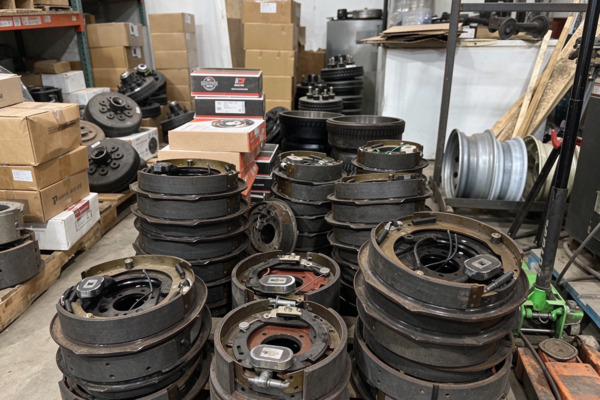
What a Serious Inspection Looks Like
Not all inspections are equal. A visual walkaround and a document check is not sufficient for a used heavy-duty truck that has operated in demanding conditions. A meaningful pre-shipment inspection for used trucks should include:
- Engine running test — cold start, hot running, load simulation where possible; listen for knock, blow-by, or abnormal smoke
- Gearbox function check — all gear ranges engaged under load; check for slippage or abnormal heat
- Brake system inspection — air pressure test, chamber function, slack adjuster measurement
- Undercarriage and frame inspection — cracks, stress fractures, abnormal repairs
- Electrical systems — instrument panel, lights, starting circuit, battery condition
- Oil and fluid analysis — color, consistency, and signs of contamination in engine oil, gear oil, and coolant
Why Buyers Cut Inspection Short
In our experience handling export orders, buyers cut inspection short for three reasons: cost pressure, time pressure, and over-trust in a supplier's stated condition report.
On cost: a meaningful inspection adds a modest fee to the transaction. The cost of discovering a hidden fault in-country — paying local labor rates, importing parts, losing operational days — is substantially higher than that inspection fee. The math is clear.
On time pressure: buyers under deadline pressure to receive their trucks sometimes accept abbreviated inspections. This is understandable but costly. A fault that takes two days to identify at origin can take two weeks to diagnose and repair at destination, where parts access and technical expertise may be limited.
On trust: a supplier's condition report is a starting point, not a final answer. It reflects their incentive to complete the sale. Any buyer who relies solely on a seller's self-reported condition assessment for a used truck is transferring risk to themselves unnecessarily. An independent or third-party inspection — or a supplier who supports full inspection access and documented testing — is the professional standard.
How Does Supplier Reliability Affect Fleet Downtime?
A truck does not operate in isolation. It depends on a supply relationship — for parts, for technical support, and for the ability to resolve issues when something goes wrong. Buyers who treat the purchase as a one-time transaction often discover that without supplier continuity, every subsequent problem becomes a cold start.
Supplier reliability directly affects fleet downtime because parts availability, technical documentation, and post-sale communication all flow through the supplier relationship. A buyer who loses contact with their supplier after delivery has no fast path to resolve parts matching issues, warranty questions, or follow-on sourcing needs — all of which affect how quickly trucks return to service.
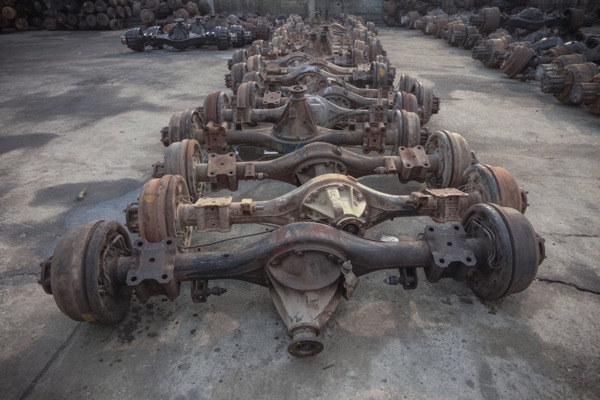
What Supplier Reliability Looks Like in Practice
This is not about marketing language. It is about specific, verifiable capabilities:
- Parts inventory at origin — a supplier who stocks engines, gearboxes, axles, and consumables for the brands they sell can ship replacement components faster than a buyer sourcing cold from the open market
- Technical records per unit — can the supplier provide chassis numbers, engine codes, and build-year documentation that allows correct parts matching without guesswork?
- Responsive communication after delivery — do they answer technical questions in the months after the sale, or does contact end at payment?
- Export handling experience — container loading, customs documentation, and logistics coordination affect how quickly parts can move; a supplier who handles this regularly makes fewer errors that cause delays
Evaluating a Supplier Before Commitment
Before placing a bulk or container order, buyers can apply a straightforward evaluation framework:
| Evaluation Criteria | What to Ask or Check |
|---|---|
| Inventory depth | Can they show current stock of spare parts for the models they sell? |
| Inspection transparency | Do they support third-party or buyer-attended inspection? |
| Technical documentation | Can they provide engine codes and part numbers per unit? |
| After-sales contact | Will there be a named contact for post-delivery technical questions? |
| Export experience | Can they provide references or documentation from prior shipments to your region? |
Buyers do not need to take a supplier's word on any of these points. They can ask for evidence — photos, videos, documents, references. A supplier with genuine capability will provide it.
Frequently Asked Questions
What is the most common procurement mistake that causes heavy-duty truck downtime?
In our customer conversations, the most consistent pattern is purchasing a truck without simultaneously confirming spare parts availability in the operating region. Buyers focus on price and visible condition. When a high-wear component fails shortly after delivery, procurement starts from scratch under time pressure — extending downtime significantly compared to buyers who prepared a parts baseline.
Should I buy European or Chinese brand trucks to minimize downtime?
There is no universal answer. European brands generally offer superior engineering, but parts availability in many African, Middle Eastern, and Southeast Asian markets can be slow or limited for specific models. Chinese brands like HOWO, SHACMAN, and FAW often have faster parts access in those same regions. The right choice depends on your specific country, operating routes, and local supplier network — not brand reputation alone.
How many spare parts should I purchase alongside a truck order?
At minimum, buyers should source consumables (filters, belts, seals) and at least one set of fast-wear mechanicals (clutch plates, injectors, water pump) per truck or per group of trucks with identical specifications. The exact quantity depends on operating hours, route conditions, and how quickly your local market can supply replacements. Treat parts sourcing as part of the acquisition cost, not a separate operational decision.
What should a pre-shipment inspection cover for used trucks?
A meaningful inspection should include a cold and warm engine running test, gearbox function check across all ranges, brake system pressure test, undercarriage and frame inspection for cracks or abnormal repairs, electrical system check, and fluid analysis. Visual inspection alone is not sufficient for a used heavy-duty truck with significant prior operating hours.
How do I evaluate whether a used truck exporter is reliable for after-sales support?
Ask specifically: Do they maintain spare parts inventory for the brands they sell? Can they provide chassis and engine documentation per unit? Will they support technical questions after delivery? Do they have documented export experience to your region? A reliable supplier will answer these questions with evidence, not assurances.
Conclusion
Reducing vehicle downtime in heavy-duty truck operations is, at its core, a procurement discipline. The decisions that determine how long your trucks sit idle — brand selection, parts planning, pre-shipment inspection, and supplier selection — are all made before the truck reaches your market. A thorough evaluation framework applied at the sourcing stage is far more effective than reactive parts chasing after a breakdown.
At Deli Auto, our 20+ years of experience working with fleet owners, dealers, and procurement managers across Africa, Southeast Asia, the Middle East, and beyond has given us a clear view of which procurement decisions lead to extended downtime — and how to avoid them. We maintain a large ready inventory of used trucks and spare parts across major brands, support full pre-shipment inspection, and provide ongoing technical consultation after delivery.
If you are planning a truck purchase or fleet expansion and want to evaluate your options with parts availability in mind, contact our team for a consultation tailored to your operating region and requirements.
[1] "Best Trucks of 2026 and 2027 - Expert Reviews and Rankings", https://www.edmunds.com/truck/. European commercial vehicle manufacturers including Scania, Volvo, MAN, and Mercedes-Benz consistently appear among top-ranked brands in independent fleet reliability surveys and total-cost-of-ownership analyses conducted by transport research organizations, reflecting their established reputations for engineering standards. Evidence role: expert_consensus; source type: institution. Supports: That major European commercial vehicle manufacturers are recognized for engineering quality in independent assessments and industry evaluations. Scope note: Reliability rankings are typically conducted in European or North American operating conditions and may not fully reflect performance outcomes in the high-load, high-temperature, or poor-road environments common in the emerging markets discussed in the article. ↩
[2] "Logistics and Time as a Trade Barrier", https://www.oecd.org/content/dam/oecd/en/publications/reports/2006/05/logistics-and-time-as-a-trade-barrier_g17a17d5/664220308873.pdf. Research on automotive aftermarket supply chains in emerging markets documents significant import lead times for branded components, often ranging from several weeks to months depending on customs clearance, freight routing, and distributor stock levels in the destination country. Evidence role: general_support; source type: research. Supports: Extended lead times for imported automotive spare parts in Sub-Saharan African and Southeast Asian markets. Scope note: Available studies may address automotive parts broadly rather than heavy-duty truck components specifically, making direct extrapolation to the three-to-six-week figure contextual rather than precise. ↩
[3] "How China leads the world in commercial-vehicle exports", https://www.globalfleet.com/en/manufacturers/global-asia-pacific/features/how-china-leads-world-commercial-vehicle-exports?curl=1. Trade and industry data from bodies such as the China Association of Automobile Manufacturers (CAAM) and the International Organization of Motor Vehicle Manufacturers (OICA) document a sustained increase in Chinese commercial vehicle exports to emerging markets, with Africa and Southeast Asia representing significant recipient regions. Evidence role: statistic; source type: institution. Supports: Growth in Chinese commercial vehicle exports to African, Middle Eastern, and Southeast Asian markets over the past decade. Scope note: Aggregate export figures may not disaggregate by truck category or specific brand, limiting precision when attributing growth to individual marques such as HOWO or SHACMAN. ↩
[4] "China's Growing Role in U.S. Automotive Supply Chains", https://www.usitc.gov/publications/332/working_papers/id-19-060_chinese_auto_parts_final_080519-compliant_0.pdf. Reports from automotive market research organizations and trade bodies document the expansion of Chinese commercial vehicle manufacturer distribution and after-sales networks across Sub-Saharan Africa and Southeast Asia, with engine suppliers such as Weichai Power establishing regional parts distribution arrangements to support growing vehicle populations in these markets. Evidence role: general_support; source type: institution. Supports: That Chinese commercial vehicle manufacturers and their engine suppliers have established parts distribution networks in African and Southeast Asian markets. Scope note: Distribution network depth varies substantially by country and region; the availability advantage described may apply in major urban or port-adjacent markets but not uniformly across rural or remote operating corridors. ↩
[5] "Heavy-Duty Engine Rebuilding Practices", https://nepis.epa.gov/Exe/ZyPURL.cgi?Dockey=P100UN50.TXT. OEM service documentation and fleet maintenance research for heavy-duty diesel trucks indicate that major wear components — including clutch assemblies, fuel injection system elements, and turbocharger units — typically reach recommended replacement intervals within the 200,000–400,000 km range under normal operating conditions, supporting the characterization of this mileage band as a period of elevated component replacement risk. Evidence role: general_support; source type: research. Supports: That heavy-duty trucks with 200,000–300,000 km of accumulated mileage have wear components approaching or exceeding typical service life thresholds. Scope note: Service life thresholds vary significantly by engine family, load profile, and maintenance history, and the cited mileage range should be understood as a general indicator rather than a universal specification. ↩